
Nutrition Quiz
Discover tailored product recommendations for your furry family with our quick, interactive quiz.
|
Looking for ferret food? Find it here.
|
All the information you need
to help your cat thrive.
RESTRICTED FEEDING: (A MEASURED AMOUNT of food for your cat throughout the day)
If you currently restrict the amount of food you feed your cat including wet food, we recommend you continue to restrict feed our food as well. Feeding a pre-measured amount of food divided into two to three feedings per day is ideal. Give them their first feeding in the morning, another small portion when you arrive home from work and the remaining larger portion just before bed. The chart below shows the total amount of food to feed per day based on your cat’s weight.
The amount of food we recommend may not seem like it is enough, but nutritionally-dense Young Again Cat Food will keep your feline full and satisfied. If your cat begs for food, increase the amount you feed by a tablespoon. If your cat is experiencing soft stool, lower the amount you are feeding by a tablespoon. When making changes to the amount of food, allow two days for your cat’s system to adjust.
FREE CHOICE FEEDING: (A FULL BOWL of food available for your cat at all times)
If your cat immediately accepts our food, the transition is done. Simply take away their old food and replace it with Young Again. If you find your cat is eating more than 15 or 20 pieces of food when you first introduce them to Young Again, take your cat to another room and distract her with playtime. By the time the play session is over, your cat will feel satisfied and the next time she’s hungry, the food will not be such a novelty.
If your cat is a grazer throughout the day, free-choice feeding is best. Put out at least one FULL bowl of food for every cat in your home. If you have more than four cats, you can generally limit the maximum number of bowls to five. Even though your cats may appear to get along, they will almost always have food competition issues. Keeping multiple, full bowls of food around the house should eliminate most overeating issues due to food competition. Food dishes should never be less than half full. If your cats can see the bottom of the bowl, they may think food is in short supply and overeat. Place the food bowls around the house in rooms that don’t see a lot of activity and so that they are not visible from any of the other food dishes.
Use bowls that are 8-10 inches across and about 1 inch deep. When using multiple food bowls, one or more bowls will usually empty faster than others. It is a good idea to fill the fast emptying bowls from the bowls that empty more slowly, so as not to waste food. The new food is always added to the slow bowls. Food rotation will maintain freshness and no food should be allowed to remain out for more than 7 days.
All Young Again foods work well with cats suffering from IBS/IBD and you should not hesitate to try one. However, our Special Care Multi-Care is superior, because the protein used is hydrolyzed and it uses psyllium soluble fiber. Hydrolyzed protein is partially digested/broken down meat and is highly digestible. Soluble fiber is gentle on a sensitive cat’s digestion and helps maintain good stool quality. With a cat suffering from IBS/IBD, it may take 2-3 months to see the benefits of a diet change. Be patient.
Generally, if your cat has not pooped for more than three days he is likely constipated. Likewise if he is straining when attempting to poop he is likely constipated. Normal stool for a cat eating any of the Young Again foods is a small, firm/hard, dark brown poop that resembles a tootsie roll. If you think your cat is constipated you should consult a vet immediately.
Most cats on a high protein, high fat and low starch/carb diet will poop once every 24-48 hours and they will pee 2-5 times every 24 hours. Kittens tend to go more often since they are very active and consume more food because of their rapid growth and higher activity level.
Low quality diets containing high levels of starch/carbohydrates, fibers and other fillers will generally produce poop more often, 2 times in 24 hours is not uncommon. Diets with more than 6% starch will often times cause a cat to drink less water and urine can drop to 1-2 times in 24 hours.
The most common frequency is once every 36 to 48 hours. However, because Young Again is nutrient dense, cats generally poop less while eating Young Again cat foods.
You can expect the frequency to be once a day to once every three days. Your cat’s stool will probably be smaller in diameter, very firm and segmented.
If you’ve been feeding another cat food that was high in plant material such as grains, rice, potatoes, peas and other fruits and vegetables which bulks up his stool, he may have been using the litter box up to twice a day.
When switching your cat to a new food, it may take up to a month for him to fully adjust and for his stool to become consistent in both texture and timing.
When feeding any YA cat food, our clients see few hairballs. We find that YA cat’s skin and coats become very healthy which means a lot less shedding. Naturally, less shedding equals less hairball issues.
And, due to our specific balance of protein, fat and fiber sources, should hair be ingested, it is more is likely to go through to the litter box. While hairballs won’t be totally eliminated, they should occur less frequently.
Cats prefer to eat the same thing every day. I think they do it because it is safe. Their thinking goes something like this: the food I ate yesterday did not hurt so I will eat it again today. Cats are very much creatures of habit and love everything to be as predictable as the day before. Just try changing their routine on anything and you will soon discover an unhappy cat.
Cats do appear to enjoy treats. Treats are usually heavily flavored and overpower their sense of taste. However, many of the flavors that are used on treats are not appropriate for use on daily foods. Many flavors are high in sodium or are unbalanced in other nutritional profiles and are best used sparingly.
New research shows that a food low in phosphorus (less than 0.60%) is best for cats with kidney disease. Low protein is no longer considered necessary for kidney disease cats as long as the protein is from animal sources and highly digestible. Our TrueCarnivore Special Care Multi-Care diets will work great for Kidney care cats.
Feed a properly balanced carnivore diet that contains only animal protein and fat and contains less than 6% starch/carbs. It’s that simple. Basically, you are going back to the carnivore diet that nature has been providing for our cats. We recommend feeding a roughly 54% protein, 24% fat and less than 6% starch/carb kibble free choice (food available at all times) and supplement a starch free canned food for treats or as you see fit.
For the canned food to maintain proper body mass, it should contain at least 12% protein and 6% fat. It is important that protein to fat ratios be about 2 to 1. Balance is key in maintaining a healthy cat. If the fat is too high your cat can actually lose weight. Once you get the nutrition right, you will quickly see proper weight, more physical activity, a softer coat and a more social cat. Cats also consume 40-60% less of this type of food vs. high carb alternatives.
When your pet overeats our food, they will generally have a stool that is soft and has the consistency of mashed potatoes. The soft stool is the result of eating excess protein and not being able to digest all of it.
Protein is not as good a binder as starch and excess protein in the stool will cause the stool to soften. Soft stool is not harmful, but it does smell and efforts have to be made to correct it. You would think that soft stool is not good, however, it does let you know that your pet is overeating and you now have the opportunity to fix it before a more serious medical problem develops. Better to teach your pet how to eat properly now than to suffer potential health issues in the future.
The cause of crystals is usually very straight forward. Either your cat’s urine is too concentrated, the urine is the wrong pH or both. If the specific gravity of the urine is dense and not dilute then the overabundance of minerals can settle out and form crystals.
If you dissolve lots of sugar in boiling water the solution is initially clear. Let the solution cool and sugar will crystalize and cover the bottom of the pan. The same thing can happen with your cat’s urine. The concentration of minerals reaches a critical saturation point and they settle out. If your cat drinks enough water to keep the urine dilute then the crystals never have an opportunity to settle out.
Of course pH enters into the equation as well. If the urine is dilute and the pH is too high or too low, the crystals can still form no matter how dilute the urine. Specific gravity is the measure of how concentrated or dilute a cat’s urine is. The normal range for a cat is 1.015 – 1.050, by comparison seawater is about 1.025. Young Again foods produce a urine specific gravity on average of 1.020 -1.025 with an average pH of 6.5 for most cats. This is the perfect range so that crystals or stones are unlikely to form. We rarely see crystals in cats eating our foods. Research suggests that as the starch/carb level increases in a food so does the incidence of struvite crystals and urine volume will decrease, thereby making the urine more concentrated.
Vets often see specific gravities of 1.040 and above for cats consuming the typical 35% protein diet, which also contains an abundance of carbs.
Food allergies typically manifest as diarrhea, vomiting and sometimes as itching or skin issues. Generally, a cat that has an allergy to a food ingredient will vomit. The vomiting will occur several hours after they have eaten and the vomit will have virtually no whole pieces of food in it, a slurry of partially digested food, stomach acid and other juices.
It is not uncommon for a cat to vomit once in a while, but several times a day is probably a symptom of an allergy. If it is an allergy, the condition will worsen. Within 5 days, your cat will refuse to eat any more of the food. Proteins are the most common allergy causes in pet food. When you choose a new food, choose one with a different protein source from the food that caused your cat’s allergic reaction.
Mild food allergies usually produce skin and ear irritation. However, severe food allergies can cause vomiting and diarrhea. Vomiting is typically the first symptom observed. Almost always the cat will vomit more than an hour after eating and the vomit will usually be liquid or syrupy and smell like gastric juices. The liquid nature is because it had already begun the digestive process. A food allergy may also cause diarrhea that is liquid in nature, stool that is the consistency of soft serve ice cream is not diarrhea. Soft stool can have many causes, including eating too much food. Poopology.
Generally, if a cat is suffering from vomiting and diarrhea related to food allergies, it will become more frequent over the next few days until the cat refuses to eat any more food. It will become necessary to find another food with a different protein source and try again. There is seldom a medication that will be effective with this level of a food allergy. Allergies & Your Cat.
Cats will often vomit as a result of a hairball or a possible intestinal blockage. Hairballs in the stomach take up space making it more difficult for your cat to consume the proper amount of food. This can cause excessive pressure and the cat will vomit to reduce that pressure. If a cat continues to vomit (numerous times a day) when given food or the vomiting came on suddenly and severely, a blockage is possible and you should consult with your veterinarian immediately.
A cat that brings up whole food (in a tube that looks like whole cat food) is regurgitating food from the esophagus, this is often caused from eating too quickly or too much food at one time. Typically, your cat just pigged out on the food and they need to vomit to relieve the pressure from overeating. Read more about feline obesity,
Over consumption of food can also result in vomiting and soft stool with the consistency of soft serve ice cream. If a cat fills her stomach completely; the food will moisten and start to swell in 15 to 20 minutes. The swelling will make your cat feel too full and she will toss some back up to relieve the pressure. This is not harmful, but should be avoided if possible. Many cats overeat due to competition from other cats or her bowl may look like it is becoming empty. She will try to eat as much as possible before it is all gone. Please read our section on Free-Choice Feeding for a detailed explanation and solution.
If you have questions, please contact us and we can discuss your cat’s specific case to see if it is food related. Once you eliminate the obvious possibilities, you should consult with your Vet to discuss other causes. Always work with your veterinarian for assistance with any abnormalities or changes to your cat’s eating habits and digestion.
The simple answer is they are eating more calories every day than their metabolism can burn. Cats spend most of their life sleeping, so exercise is not the answer to maintaining a proper weight. Instead the answer lies in what they were meant to eat vs what we usually feed them. Nature intended our cats to consume small pray animals not plant material in the form of grains, Veggies, rice or fruits. Their metabolism was designed to be fueled by meat and fat, not carbohydrates.
Meat digests at the same rate that your cats metabolism runs at. As the meat is converted to energy, in the form of blood glucose, your cat uses that energy to fuel all their needs. If your cat produces more blood glucose than needed, then they will be forced to produce excess insulin in order to store the excess blood glucose as fat. If the excess glucose continues, then your cat will continue to gain weight and the stress of producing the excess glucose may eventually lead to health issues.
The culprit in this cycle of weight gain is the easy to digest carbs. Carbs digest many times faster than protein and they flood the blood with glucose in excess of your cat’s energy needs. When your cat becomes hungry again they do not use the stored fat, instead they go and eat another meal. The process repeats over and over and eventually you have a fat cat that may be more prone to diabetes, kidney disease, stones, crystals and even dental disease. Since the digestion of meat is slow and synchronized to your cat’s metabolism, there is seldom excess energy flooding their blood stream and nothing therefore to store as fat. With few exceptions a properly balanced carnivore diet will maintain a healthy weight in all cats.
If your cat is overweight then you are feeding the wrong food. if the food was balanced your cat would not be overweight. The question becomes, how long do overweight cats live? The answer is not as long as if they were the proper weight. If they develop diabetes or kidney disease then life expectancy can be shortened by years. Not to mention the extra expense of treating a sick cat. Cats were never meant to be overweight. If they over consumed in the wild they would exhaust the local food supply and eventually starve.
Feed the right food, and everything will be better for both you and your kitty.
When you have food available at all times for your cat and that food is properly balanced, your cat will only eat what she needs.
The amount will vary based cat’s size, activity level, physical condition and time of year. Cats eat 40 – 60% less of our food because it is packed with calories from animal protein/fat and specifically balanced for your obligate carnivore.
Let’s take the average ten pound cat for example. The veterinarian recommendation for a normal, neutered adult feline is 262 calories; an obesity prone cat, 218 calories a day. These recommendations are based on the typical cat food that averages 35% protein, 15% fat and 30-35% starch/carbs. This is hardly a cat food for a carnivore. A carnivore cat food would contain the same nutrient profile as a mouse; 50 – 56% protein, 22 – 28% fat and 4 – 6% starch/carbs. How cats process starch/carbs is very different from how they process protein. Because your cat is a meat eater, they rely on animal protein and fat to sustain them. These two nutrients, when balanced, will digest at the same rate as your cat’s metabolism.
Starch on the other hand, digests much faster and produces more energy than your cat’s metabolism can use at any given moment. The excess energy is removed from the blood stream with insulin and stored as fat. Once your cat is overweight, the experts want you to feed 174 calories a day to get the fat off. Anyone who has tried to put their cat on a diet, usually ends up with a very unhappy cat that won’t let you sleep through the night.
Fat and protein, when balanced, will fuel your cat’s metabolism with no excess weight gain. If they are very active they will simply eat a little extra that day. If they are a couch potato, they will eat a little less.
Everything works out because your cat’s body knows how to process protein and fat. With a properly balanced diet, your cat can be fed free choice and consume only the food their body needs.
Back to our ten pound cat and how much of our food they will eat free choice to maintain their perfect body weight. The average ten pound cat will consume ¼ cup of our food every 24 hours. That works out to about 160 calories each day. Because our food is nutritionally dense and there are no empty calories, they don’t need as many total calculated calories. However, some breeds like the Maine Coon eat considerably more. Kittens are also notorious for eating a lot of food. Unless a cat has a psychological problem and overeats because he cannot help himself; we always recommend having a full bowl of food out at all times for each cat in the house.
Feed your carnivore cat as nature intended and they just don’t need to overeat.
Yes. Our entire line of ZERO cat foods are perfect for diabetic cats. And, it can and should be fed to all of your other household cats. Cats are carnivores and have no nutritional need for starch/carbs.
Other pet food companies will try to convince you that a starch/carb content less than 10% is fine for a diabetic cat; don’t believe it. Our TruCarnivore Classic formula contains less than 6% starch and we would never recommend feeding it to any diabetic cat.
As much as 6% starch in a cat food will drastically reduce the remission rate for a diabetic vs. a cat food with less than 1% starch.
Although not all cats that are overweight become diabetic, it is still a leading factor of cats that do become diabetic. In order for a cat to become obese, he must consume more calories than he can burn in a day. In our experience, the only way for the vast majority of our carnivore friends to accomplish this, is to consume an improperly balanced diet.All cats are strict carnivores and nature only intended them to eat meat and fat from animal sources. No grains, vegetables, fruits, starch, or any other plant material.
Our flavor enhancer should only be used short term and only as an enticement to get a stubborn cat to eat a new food. It should not be used long term to get a cat to gain weight, as it contains sodium and phosphorus and when used long term it could supply too much of these minerals. When we use it on our food we take the sodium and phosphorous into consideration and the finished food remains nutritionally balanced. Our Special Care Multi-Care food tends to help skinny old cats gain muscle mass and your Vet can supply you with an appetite stimulant for cats who need to eat more.
Grind Young Again kibble into a powder and mix a pinch into your cat’s wet food and slowly increase each time you feed. Once you reach 2 parts wet food to 1 part Young Again kibble powder. Put out a bowl of Young Again Cat Food but continue adding the powder to their wet food until they are routinely eating our kibble. A minimum of two weeks is recommended to make the transition. Two tablespoons of our food is the nutritional equivalent of a 3 ounce can of wet food; the more powdered food you add to the wet food, the less your cat will need to eat. Cutting back on the wet food will also encourage them to start eating Young Again kibble.
Kittens expend considerably more calories, pound for pound, than an adult cat for growth and to support their high activity level. In our experience, feeding free choice is almost always the best advice. Feeding a weaned kitten should be no different that feeding an adult cat, as far as protein and fat are concerned. In the wild, kittens eat mice and felines of every age eat mice. Cats in our homes should be no different, high protein and fat are a necessity and starch/carbs less than 6% is key to good health. When fed properly, every cat of every age can be fed free choice.
The old rule of thumb was that all dry cat foods had to contain abundant carbohydrates in order to form a pellet. Although this is still true for the vast majority of cat foods available today, it is not true for the Young Again Zero line of foods. Our Zero foods all contain less than 1% carbs or to be more accurate less than 1% starch.
It is surprising how most cats prefer dry food over wet food as their main source of nutrition. Of course, dry food is easier to feed and always has the same texture, which is one of the reasons why cats like it so much. Our special manufacturing process allows us to make a carnivore cat food without all the digestible carbs that your cat does not need and should not have. This means that your cats metabolism will run as nature intended and you will have a healthier pet.
Dry foods (absent all the carbs) are better for your diabetic cat, because they can graze or consume many small meals throughout the day and night. Small frequent meals are the best way to ensure a consistent and steady blood glucose level all day and night. Consistent blood glucose levels are necessary because the insulin you are using is designed to be time released over 12 hours. The consistency of the food consumed matching the release of insulin, can greatly help your cat to attain remission.
Wet cat foods seldom offer many benefits for the diabetic cat, as most now contain an abundance of carbs. The other disadvantage is most people only feed wet food twice a day and yet the time released insulin lasts 12 hours per injection. Wet food does make for a great treat, provided that you can find one with no carbs. If your cat is eating our Zero food free choice then a 1/6 of a 3oz can of wet food fed twice a day will not alter the effectiveness of the Zero food. Remember when a cat has free access to our food they are never hungry. If you give them too much canned food, then they are likely overeating and overeating will spike their blood glucose.
Yes, you can feed our Zero food and help your cat into remission or help them to better control their need for insulin.
We get several calls a week regarding this topic. In almost all cases, the majority of the food was being stored in our original bag and the client was placing a smaller, daily supply of food in a more convenient plastic container.
Most plastic containers are porous and the oil from the food will adhere to the walls of the container and become rancid. When you add more food to the container, the new food is contaminated and rapidly becomes rancid as well. Cats are very sensitive to rancidity. The average person can detect rancidity at a level of 12-15, however your cat will stop eating at a rate of 4 and above.
The oil can become hardened on the walls of the plastic container and you will need to scrub it with a hard brush and plenty of soap and water every time you refill it. It is best to use a glass or ceramic container that is easier to clean. Make sure the container is completely dry before you refill it with food.
The disadvantage to using a hard container is that as the food is used, the air space in the container increases and excess air will cause the food to age more quickly. Light is also harmful to the freshness of the food, so always store in a cool, dark place.
If you use a ziploc bag to hold your weekly supply of food, simply change out the bag every two weeks to avoid rancidity. Be sure to burp all the air out of the bag before resealing it.
No matter what the expiration date is on a bag of food, it is highly recommended that once you open the bag that it gets used within four months. We recommend timing your food usage to every 60 days, this will afford you the best food freshness to keep your cats happy and healthy.
If the medication is in pill form, you can use a pill gun. There are many pill guns available via the internet.
If the medication or supplement is in a powder form, you can purchase gel caps and load them with the medication/supplement and use the pill gun to medicate your cat. Your Vet may also have helpful suggestions.
Within reason the more water a cat drinks the more dilute their urine will be and the less likely they will be to develop stones or crystals. Cats with diabetes or kidney disease will drink water constantly and produce a wet or saturated litter.
Saturated litter is a clear indication you need to see your vet.
Normal urine amounts on our food would be 2-4 urine balls per cat every 24 hours. More than 5 urine balls in 24 hours for a week would be unusual and should be checked out by a vet.
Size of the urine ball can range from golf ball to tennis ball size for the average cat.
Sometimes cats will pee in the exact same spot and you will get what looks like a pee ball the size of a grapefruit.
Usually these massive pee balls are lobed and it is easy to tell that it grew this large from multiple visits. If your cat produces these massive multi balls and it is difficult to tell how many visits the ball represents, then scoop the litter as many times as necessary to record the individual pee balls within the 24 hour time span.
Each cat has their own schedule and they are usually very consistent in their litter box use. Some cats will only use the litter box 2 times a day and the urine ball will be the size of an orange. Other cats of the same weight will pee 3-4 times a day and the pee ball will be the size of an egg. There is no right or wrong it just depends on the cat.
As long as you are counting pee balls you might as well count poop. Generally most cats poop every 24-36 hours. However, there are a significant number of cats who poop once every 48 hours. A few cats will poop every 3 days and no cat should go past 4 days. If your cat has not pooped in over 3 days we suggest calling your vet.
Try grinding Young Again kibble into a powder and dust it on their old food. Gradually increase the level of powdered Young Again until there is more dust than will stick to their old kibble. Do this for a week. The second week, place Young Again food in their bowl, grind their old food into a powder and add more powdered food than will stick to the Young Again kibble. As your cat becomes more familiar with our food, reduce the amount of powder until the transition is complete.
Soft stool on our food is almost always a sign of a cat that is eating too much food. Protein and fat are not as good a stool binder as carbs and as they overeat our food the stool will soften. Most cats will figure out how to eat our food properly within two weeks; others will need some additional help from you. Overeating is generally easy to solve and will require you to take specific steps to help your cat learn to eat properly. There is a science to how your cat perceives the abundance of their food supply and the environment they live in. Please review the back label on the bag as it goes into great detail about bowl type, size, fill rate, bowl placement and other helpful hints on getting cats to eat correctly.
You may continue giving him the canned food. We always say that cats can’t count, so they seldom see any difference between feeding a spoonful and feeding a whole can of wet food. As long as our food is left out all the time they will be able to eat whenever they are hungry. The act of giving them a spoon full of canned food is usually enough to satisfy their existing expectations. Please only feed canned foods that contain only animal protein and no plant products other than fiber sources.
Once you get the free feeding correct the soft stool will usually correct within a few days. Most cats seldom take longer than two weeks to correct.
Think of eating way too much cookie dough; how soon are you likely to eat more? They blame the food for making them feel sick and refuse to eat the next day. This does not mean there was something wrong with the new food, only that it was introduced incorrectly. Just put the new food down and if they dive in, stay and watch them.
Once they have eaten 15 pieces of food, pick the cat up and take him/her to another room and distract them with play. Once play time is over, their stomach has caught up with their brain, they realize they are full. They forget about the new food and the next time they are hungry the food is not such a novelty and they should seldom overeat.
There is no problem with adding water to our food and feeding it as a paste. The only potential problem would be bacterial growth if the wet food is left out for more than 3 hours. The same advice would apply to canned foods. Wet food is best consumed soon after it is prepared or opened.
On another note our kibble is small enough for most cats to swallow whole. Most cats prefer to swallow their food whole and your cat should as well. If the chewing of the food caused him discomfort, he should quickly learn to swallow it whole.
Swallowing the food whole would also prevent most food particles from becoming lodged between the teeth and gums, thereby helping with the gum condition.
We recommend that you switch completely over to your new Young Again food immediately. Cats are creatures of habits. If you mix the old food with the new food, they may just stick with the old food as it’s what they know.
Because Young Again food is nutrient dense, you may notice that your cat has some soft stool the first few weeks. This is very common as your cat figures out that they don’t need to eat as much of this new food. It usually takes about two weeks for your cat to get fully adjusted to the new food.
Cats really don’t mind eating the same main stay food every day. Daily variety of food types is more of a human notion. Often time’s cats resist change because what they have been eating or doing has been safe and cats are content when nothing much changes in their environment. If what you are doing is not broke I would leave well enough alone.
However, once in a while cats will become temperamental for no apparent reason and suddenly decide that a food they have eaten for years is unacceptable. If this were to happen, you could use our new Special Care Multi-Care as a backup food.
Any time a cat goes off their food it is always a good idea to see your Vet. Two common reasons for going off a food are bad teeth and a potassium deficiency. About 30% of elderly cats can suffer from a potassium deficiency at some point in their life. The deficiency is not food related and can be easily rectified with a paste supplement from your Vet.
The Special Care Multi-Care may have additional benefits for a special needs cat. The food can encourage weight gain in older cats that have what we like to call Skinny Old Cat Syndrome or for cats with digestion issues like IBS, chronic diarrhea or ingredient allergies.
Cats do enjoy additional variety added to their lives outside of their main diet. New toys or games are often important for your cat’s needs. I like to use treats for variety. Freeze dried chicken or salmon can be fun for them. A spoon full of canned food that does not have starch in it will work. We always tell people that cats can’t count so a spoon full is just as appreciated as a whole can of food. It’s not the volume of food you give them it is the act of giving and sharing with them that is important to them.
When you have food available at all times for your cat and that food is properly balanced, your cat will only eat what she needs.
The amount will vary based cat’s size, activity level, physical condition and time of year. Cats eat 40 – 60% less of our food because it is packed with calories from animal protein/fat and specifically balanced for your obligate carnivore.
Let’s take the average ten pound cat for example. The veterinarian recommendation for a normal, neutered adult feline is 262 calories; an obesity prone cat, 218 calories a day. These recommendations are based on the typical cat food that averages 35% protein, 15% fat and 30-35% starch/carbs. This is hardly a cat food for a carnivore. A carnivore cat food would contain the same nutrient profile as a mouse; 50 – 56% protein, 22 – 28% fat and 4 – 6% starch/carbs. How cats process starch/carbs is very different from how they process protein. Because your cat is a meat eater, they rely on animal protein and fat to sustain them. These two nutrients, when balanced, will digest at the same rate as your cat’s metabolism.
Starch on the other hand, digests much faster and produces more energy than your cat’s metabolism can use at any given moment. The excess energy is removed from the blood stream with insulin and stored as fat. Once your cat is overweight, the experts want you to feed 174 calories a day to get the fat off. Anyone who has tried to put their cat on a diet, usually ends up with a very unhappy cat that won’t let you sleep through the night.
Fat and protein, when balanced, will fuel your cat’s metabolism with no excess weight gain. If they are very active they will simply eat a little extra that day. If they are a couch potato, they will eat a little less.
Everything works out because your cat’s body knows how to process protein and fat. With a properly balanced diet, your cat can be fed free choice and consume only the food their body needs.
Back to our ten pound cat and how much of our food they will eat free choice to maintain their perfect body weight. The average ten pound cat will consume ¼ cup of our food every 24 hours. That works out to about 160 calories each day. Because our food is nutritionally dense and there are no empty calories, they don’t need as many total calculated calories. However, some breeds like the Maine Coon eat considerably more. Kittens are also notorious for eating a lot of food. Unless a cat has a psychological problem and overeats because he cannot help himself; we always recommend having a full bowl of food out at all times for each cat in the house.
Feed your carnivore cat as nature intended and they just don’t need to overeat.
We purchase our ingredients from the United States, Canada, France, Switzerland, India, Finland, Japan, Germany, New Zealand and Scotland. We do not source or purchase any ingredients from China or source ingredients that were initially manufactured in China and resold elsewhere to circumvent the China origin.
Yes, Young Again Pet Food meets or exceeds AAFCO nutrient profiles. AAFCO does not approve any pet food on the market. AAFCO is only concerned that companies follow a uniform set of guidelines and their wording means the food has met AAFCO’s minimal requirements for adequate nutrition.
Every bag of our food has an expiration date. Beyond this date, we do not recommend using the food. Once you open the bag it is best to use it within 4 months even if the expiration date is further out.
Each bag of food we manufacture is nitrogen flushed to remove most of the oxygen from the bag. Oxygen is the main reason why a food goes rancid or spoils. Once you open the bag, you are letting oxygen back in to react with the fats in the food. We use natural preservatives in our foods, but they can only protect the food for so long. It’s hard to know when a food has spoiled, but cats are very sensitive to rancidity and can detect it long before you can.
Three conditions contribute to rancidity; light, temperature and oxygen. Oxygen can diffuse right through the standard plastic zipper bag, so freezing the food does not slow the rancidity process down. You will need an oxygen barrier bag similar to what is used in home vacuum sealers. If you are going to freeze our food, a chest freezer is best. Frost-free freezers stay frost free by warming from zero degrees Fahrenheit to approximately thirty-two degrees Fahrenheit one to four times daily. This causes moisture in the food to propagate from the warm side of the bag to the cold side of the bag forming a block of ice on the cold side of the bag.
People will often transfer our food to a pet food container. If the container is not cleaned thoroughly between fillings, the oils from the previous food can cause the new food to go rancid. If you transfer the food to a pet food container, be sure to thoroughly scrub the entire container (lids, seals and gaskets) with soap and a scrub brush then allow it to completely dry. Fats can become hard and be difficult to remove without scrubbing. You can also use the pet food bag or a disposable liner in the pet food container.
There really is no convenient way to store large amounts of pet food. Our best recommendation is to buy a six month supply of food at a time and store in a cool, dark, dry place. Follow these simple rules and your pet will always enjoy fresh, wholesome food.
It is the right food. Making a food without starch is difficult to say the least and some variation is not uncommon. There are many variables that affect the final look of a food. Even the outside temperature can make a difference; in Minnesota, where we make the food, that can be as much as 125 degrees from one production run to the next. We also send each batch of food out for testing. We also use two independent labs to confirm quality standards.
If your cat is deficient in methionine their health will be compromised. Methionine is an essential amino acid that cannot be produced by the body. Therefore, it is crucial that your cat consumes the required amount of methionine each meal to maintain proper health.
Our most expensive ZERO food will only cost about .54¢ a day to feed the average 10 pound cat. The least expensive low starch canned food will cost about $1.12 a day. Diabetic veterinary canned foods containing more than 8% carbs will cost almost $2 a day and premium low carb canned foods can cost more than $5 a day to feed a 10 pound cat. Our food may look expensive, but an 8 pound bag will last the average 10 pound cat up to 100 days when fed free choice. Most pet store brands of cat food will actually cost more to feed since cats almost always overeat high starch/carb foods.
An 8 pound bag of leading brand cat foods will generally last the average 10 pound cat about 6 weeks, an 8 pound bag of Young Again should last about 12 weeks.
Guar gum is a non-digestible soluble fiber that is produced from a bean. Guar gum has been extensively studied in both animals and humans and is considered safe and has been shown to have many health benefits. Guar gum has been proven to lower LDL cholesterol and triglycerides and will also increase glucose tolerance.
When the first ingredient is meat, it can mean very little since meat is at least 75% water. This means that if a diet listed itself as 25% meat, it would really only be 6% meat on a dry matter basis, which is exactly what you get when you dehydrate chicken into meal. You think you are buying a high protein diet, but the food is only 6% meat protein.
A byproduct is something that is left over after the desirable portion of the ingredient has been extracted for use elsewhere. A meal results when you remove the water from a product and grind the desired portions into a powder. Inclusion of bone (natural calcium) supplies needed minerals.
Young Again Pet Foods and treats have an 18-month shelf life and RAW premixes and supplements have a 12-month shelf life from the date of manufacture. This does not mean that you will have 18 or 12 months before they expire. Depending on when they are manufactured this will vary from product to product. We can not guarantee the nutritional quality of our products after the BEST BY date.
Keep the Young Again Pet Food in a cool dark place and leave in the original packaging. Oil from the food will coat other pet food containers and will go rancid over time, contaminating new food when it is placed into the old container. If you are still unsuccessful transitioning your cat with one of these options, please contact us. Flavor packets are available to make our food even more appealing to a finicky pet.
Poultry fat can only be comprised of chicken or turkey fat or a combination of both. We currently use fat from chicken, turkey, pork and fish. Chicken and turkey fat are collected and processed in the same way and are of equal quality.
| First Ingredient | – | – | – |
| Second Ingredient | – | – | – |
| Third Ingredient | – | – | – |
| Fourth Ingredient | – | – | – |
| Fifth Ingredient | – | – | – |
| Sixth Ingredient | – | – | – |
| Seventh Ingredient | – | – | – |
| Carbohydrate – Starch | 0% | 0% | 0% |
| Protein | 0% | 0% | 0% |
| Fat | 0% | 0% | 0% |
| Fiber | 0% | 0% | 0% |
| Feeding Amount | – | – | – |
| Kcal per serving | – | – | – |
| Free from plants, legumes, seeds, grains, grasses, vegetables etc. |
Discover tailored product recommendations for your furry family with our quick, interactive quiz.
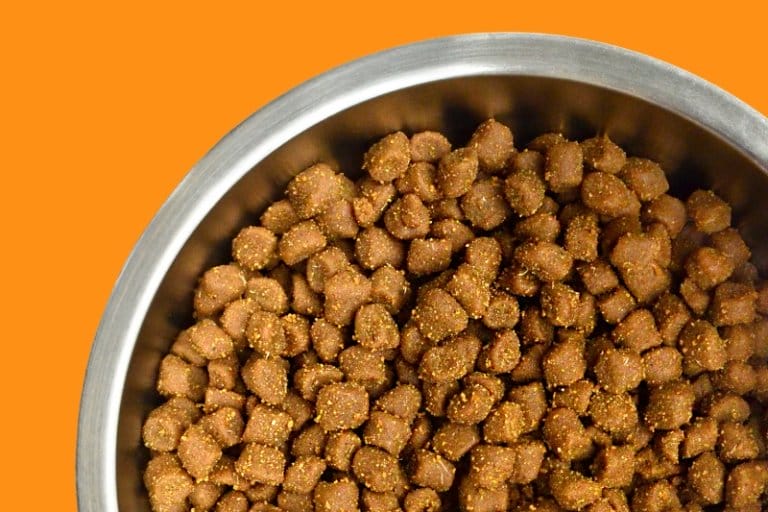
Uncover the hidden carbs in your pet’s food. Our calculator helps you make informed choices.
Your cart is currently empty!
Notifications